
Build an approval‑ready credit profile
Understand what’s driving your credit decisions, identify items that may be unfair or inaccurate, and take a structured next step toward stronger approvals and better terms.
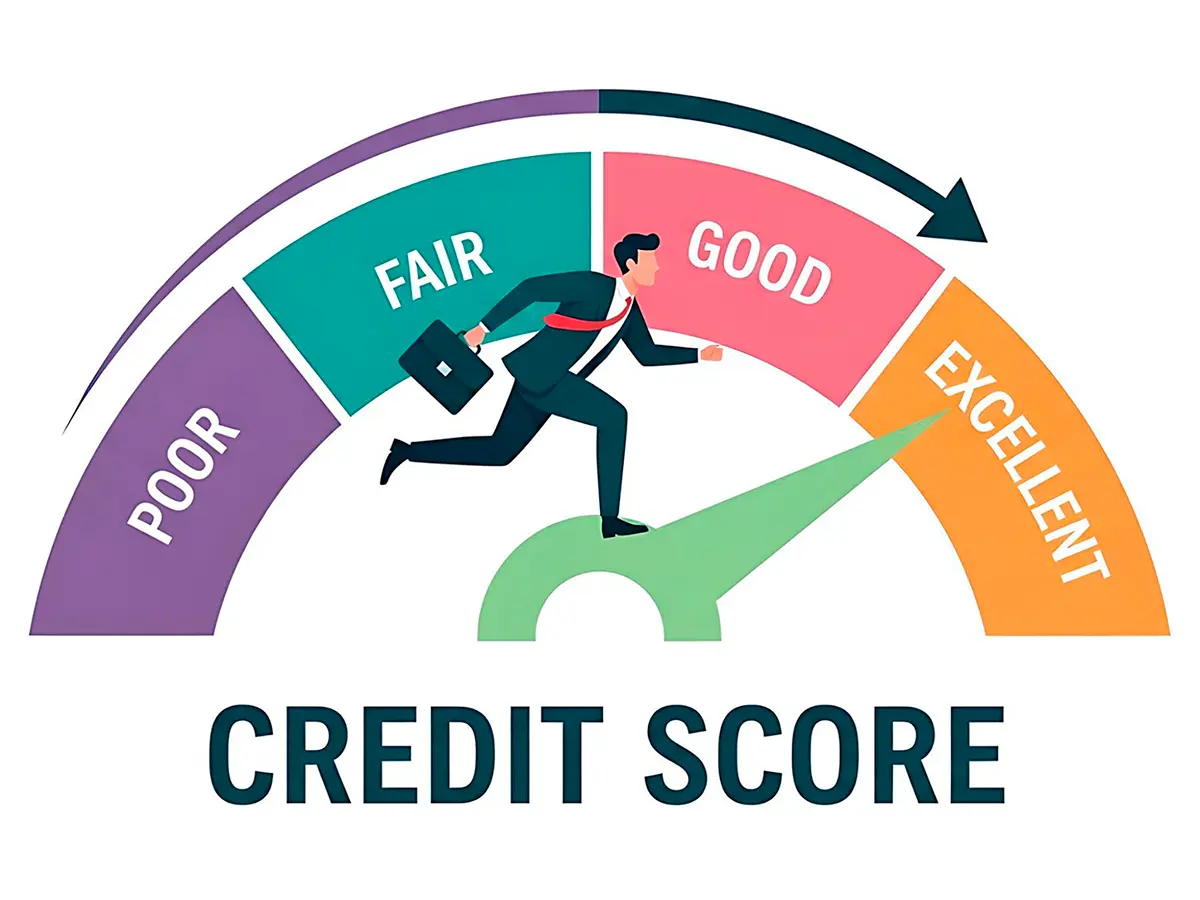
Built around established U.S. credit reporting practices and dispute procedures under the Fair Credit Reporting Act (FCRA). No unrealistic promises—just clarity, documentation, and structured credit improvement.
Unlock more options
Choose the outcome you care about. We’ll outline what improves it—and what to watch for—so you can move forward with confidence.
Your path to stronger credit
A stronger credit profile can mean better approval odds, improved loan terms, and more financial flexibility. Get a clear, no-fluff overview of what credit improvement can help you achieve — then take the next step when you're ready.
Credit decisions in the U.S. are typically influenced by payment history, utilization ratios, account age, recent inquiries, and the accuracy of reporting across major credit bureaus.
Even small inconsistencies can affect lending algorithms. A structured credit improvement approach focuses on verified data, responsible usage patterns, and consistent financial behavior.
*Results vary. This page does not guarantee outcomes.
How it works
A straightforward workflow used by reputable credit‑support programs: review, challenge what’s questionable, and build stronger habits while updates are processed.

Review your starting point
Clarify your goal and look at what’s currently affecting approvals and terms.

Identify what can be challenged
See what information is typically needed, what to expect next, and how the workflow usually looks.

Move forward
Continue to explore available options and take the next step toward better credit outcomes.
credit repair kansas city, done carefully for lasting results
Start with facts, not myths
I prefer steady progress over flashy promises. Credit scores move when errors are cleared and positive habits compound, not from shortcuts. In Kansas City - on either side of the state line - the safest plan begins with a clean inventory of your data and a paper trail to back it up.
Picture this: you're waiting for the KC Streetcar at Union Station, and you open your phone to compare all three credit reports. You spot a duplicated collection and an old address that never belonged to you. That small moment of attention can translate into meaningful points once corrected.
Three careful moves
- Pull all three reports regularly. Use AnnualCreditReport.com to grab TransUnion, Equifax, and Experian. Check names, addresses, employer fields, and every account line. Flag duplicates, wrong limits, and late payments that don't match your records. Dispute with documentation - statements, delivery receipts, payoff letters.
- Validate before paying. If a collector contacts you, request written validation under federal law. Do not acknowledge ownership or promise payment until you see proof. Keep copies, send letters by certified mail, and avoid restarting clocks by paying or promising prematurely.
- Add positive data on purpose. A secured card from a local credit union, a small credit-builder loan, or on-time utilities/rent reporting can help. Keep utilization low - ideally under 10% - and let at least one small balance report before paying in full.
Disputes that stick
Be precise. Identify the exact item, the reason it's inaccurate, and attach evidence. Reference dates and account numbers. Some argue that sweeping template letters can fix everything; I don't fully agree. Vague disputes tend to boomerang. Strong, verifiable claims are harder to ignore and typically resolved faster.
State rules differ across the metro. Kansas and Missouri have distinct timelines and approaches on debt enforcement; the specifics matter, so consider a licensed attorney for edge cases like judgments or older collections.
Cautious ways to boost your score in KC
- Report rent or utilities through reputable services if your landlord or provider doesn't already.
- Authorized user status can help only if the primary has long history, low utilization, and spotless payments.
- Avoid "credit sweeps." Disputing accurate negatives as identity theft without cause is risky and may be unlawful.
- Credit-builder loans at area credit unions can diversify your file safely.
- Keep old accounts open to preserve age. Space new applications - especially before a mortgage preapproval.
Real-world win: during lunch near the Power & Light District, you photograph a paid collection receipt and upload it to the bureau portal. Thirty days later, the item updates to zero with a paid notation, and your score edges up - no drama, just verification.
Hiring help - maybe, maybe not
Some people start with a firm; I'd start with self-auditing. If you seek help, verify credentials, read contracts closely, and check CFPB complaints and both state Attorneys General. Under federal rules, credit repair outfits can't charge before services are performed and must give you a cancellation window. Nonprofit counseling (for budgeting and debt management) can be a calmer first stop.
Timeline and outcomes
Most bureau investigations wrap in about 30 - 45 days. Scores react gradually as errors clear and new, positive data posts. Aim for accuracy first, then consistency. The result: steadier progress toward approvals - auto, apartment, or that Westside bungalow - without risking missteps. If your situation is complex, explore local options thoughtfully; otherwise, these careful steps often deliver the outcomes that matter.
Otherwise, you may spend money on credit repair and still have bad credit. Credit help in Kansas City. These organizations can help repair ...
We provide free credit repair services for all of our bankruptcy clients. We will review your credit reports, identify any inaccurate or outdated information.
GOLD PROGRAM - Corrections with 3 Bureaus at accelerated rate - Debt Validation with Creditors - Specialized Forensic Audit - Personal Credit Concierge ...
Frequently asked questions
A clear next step — without the guesswork
See what’s impacting approvals and what may deserve a closer look.
Understand how disputes are structured and what documentation matters.
Improve utilization, consistency, and long-term credit stability.
See what improving your credit could change
Take a structured next step based on your current profile — and decide with clarity.